
More Realistic Images, More Stable Editing Across 100 Rounds | Introducing Seedream 5.5
More Realistic Images, More Stable Editing Across 100 Rounds | Introducing Seedream 5.5
Date
2026-11-09
Category
Visual
Today, we are introducing Seedream 5.5, our next-generation image creation model.
Image creation models are becoming part of professional visual production workflows. What matters is whether they can consistently deliver usable results that meet quality standards and deadlines while staying within budget.
We believe progress in visual intelligence should both expand creative possibilities and make professional production more reliable. This calls for expressive images, accurate content, and control over edits. With that reliability, creative teams can explore more freely and refine their ideas to their full potential.
To meet these needs, Seedream 5.5 brings three key upgrades:
More stable multi-turn editing: Preserve unedited regions at the pixel level and eliminate color shifts in those areas, while reducing detail loss and image degradation across successive edits. This supports continued work on the same image across 100 rounds of editing.
Native RGBA assets with transparent backgrounds: Directly generate images with an alpha channel, including full and partial transparency. The model carefully renders edges and transparent regions, allowing generated elements to enter downstream design workflows as standalone assets without separate background removal or edge cleanup.
More realistic images and clearer text: The model renders lighting, materials, and skin textures more naturally and reduces excessive gloss and overexposure, bringing generated images closer to real photos. Text rendering also improves significantly, with more accurate rendering of complex character shapes and densely arranged small text.
Evaluations show a substantial improvement in overall performance over the previous version. Compared with other major models, Seedream 5.5 achieves leading results in text structure and text-to-image realism.
Multi-turn editing with pixel-level preservation, bringing complex ideas reliably to life
In complex, real-world creative work, each generated image can spark a new idea. The next edit brings that idea into the image, allowing the concept to develop through successive iterations.
This requires the model to carry out each new edit while reliably preserving content that does not need to change. As one output becomes the next input, small errors can accumulate over successive edits, causing detail loss and image degradation.
To address this, Seedream 5.5 uses targeted training to preserve unedited regions at the pixel level, enabling creative teams to keep refining an image through successive edits.
In this demo, we performed 100 successive edits on an image of the same person, using the previous round's output as the basis for each new edit. Even after repeated changes to clothing, accessories, and tabletop objects, the model can still make precise edits to small objects such as rings and eyeglass frames. It accounts for the subject's current pose, rendering natural contact between accessories and skin, coherent occlusion, and consistent lighting.
Next, four floral designs demonstrate multi-turn editing across multiple objects and materials, spanning realistic flowers, still-life arrangements, journal collages, and traditional painting. Even after repeated additions and replacements of stems and decorative elements, Seedream 5.5 can still change the shape or material of a specified flower. It renders openwork lace, the sheen of beads, and the textures of stems and leaves while correctly handling occlusion between objects.
Successive changes to an interior bring another challenge. As furniture and furnishings change, the model must keep spatial relationships consistent with the layout at each step.
In this sequence, an old study gradually becomes a colorful, imaginative space. As a box is moved around the room, the model adjusts perspective, occlusion, and cast shadows, and plausibly renders the areas that are no longer hidden. The room keeps evolving, while perspective and occlusion remain coherent at every step.
Native RGBA assets, skip background removal. Compose freely.
Generating assets that can be arranged independently and reused across projects is an important step toward integrating image models into professional production workflows.
Seedream 5.5 introduces native RGBA generation, directly producing images with an alpha channel that supports full and partial transparency. The model preserves the subject's shape and texture while accurately rendering edges and transparent regions, so the output can be used as a standalone asset in layout, compositing, and production.
Creators can generate assets with transparent backgrounds from text descriptions or reference images. In the demo, a snowy owl spreads its wings, revealing clearly defined layers of feathers. The model carefully renders the feathers at the wingtips, the tiny gaps between them, and the outlines of the claws, preserving complex structures without the need for subsequent background removal and edge cleanup.
Native RGBA output also supports creative compositions that bring text and visual elements together. The model can draw on the brushwork, colors, and material effects in a reference image and apply them when rendering specified text. It keeps the text accurate and legible while directly generating visual assets with transparent backgrounds.
Assets with transparent backgrounds can also be reused across projects to make production more efficient. In the demo, a designer uses the same set of character assets as references to quickly create a series of images in different settings. The model retains the characters' defining features and textures while allowing changes to their poses, groupings, and composition. This reduces repetitive production work and makes it easier to create a cohesive series.
More realistic images, more accurate small-text rendering
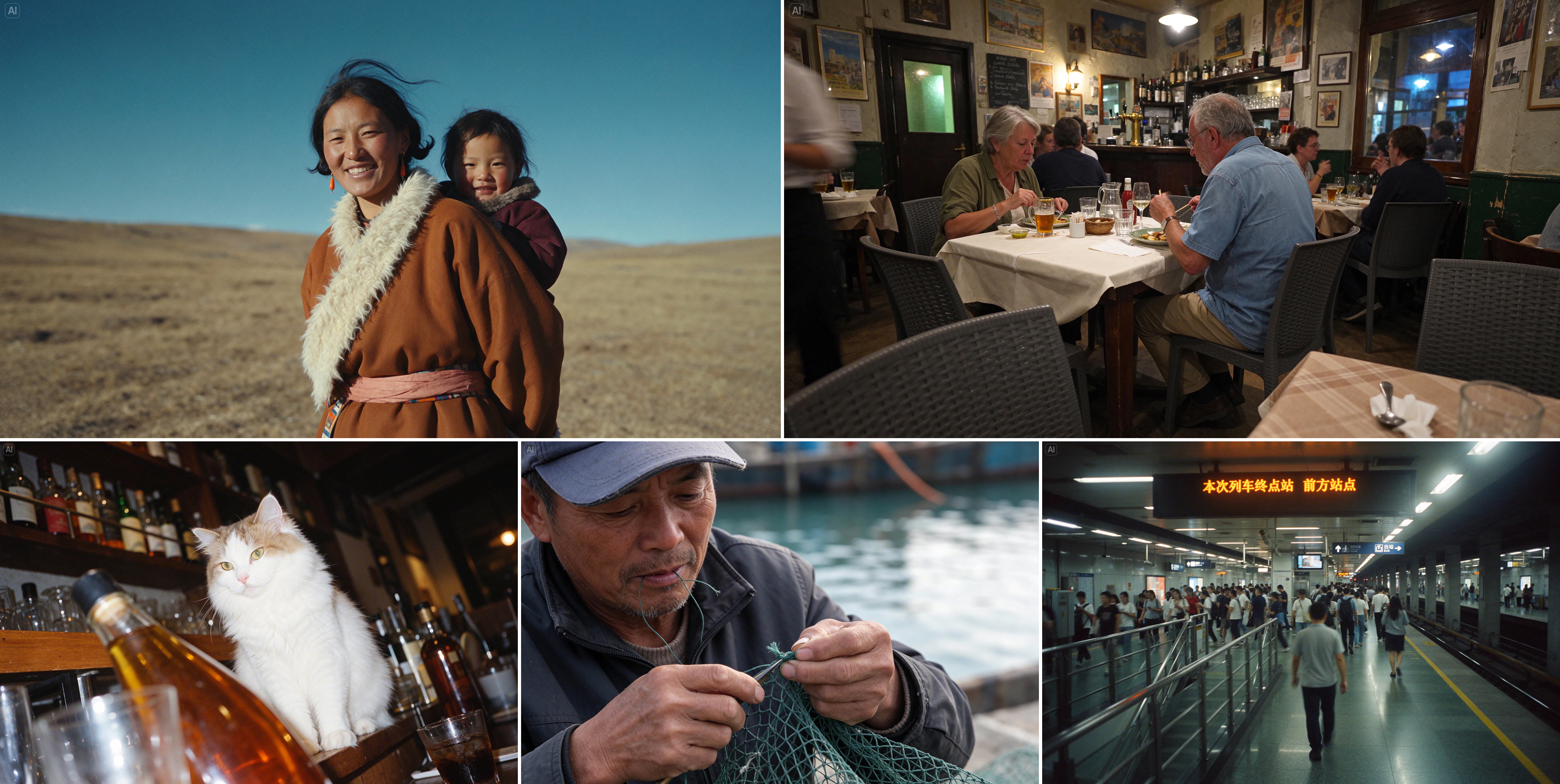
Seedream 5.5 further improves overall image quality, particularly in realism and text rendering. The model renders lighting, materials, and skin textures more naturally in realistic scenes. It also reduces excessive gloss, overexposure, and blotchy textures in some images, so the results look closer to real photos.
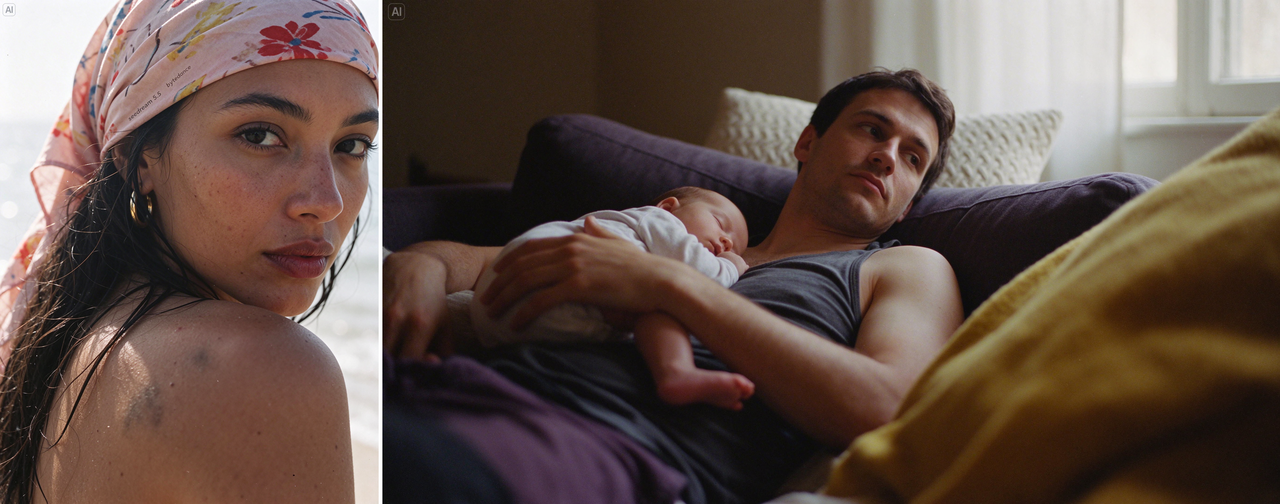
In portraits, the model captures realistic skin texture in greater detail under different lighting conditions. In the first image, a young woman looks back toward the camera. Her skin texture is clearly visible, highlights blend naturally into shadow across her shoulder, and loose strands of hair catch the backlight. In the other image, a father holding a sleeping baby reclines on a sofa. Soft window light falls across his face and arms, while details in the skin and fabric remain visible in shadow, giving the scene a sense of everyday life.
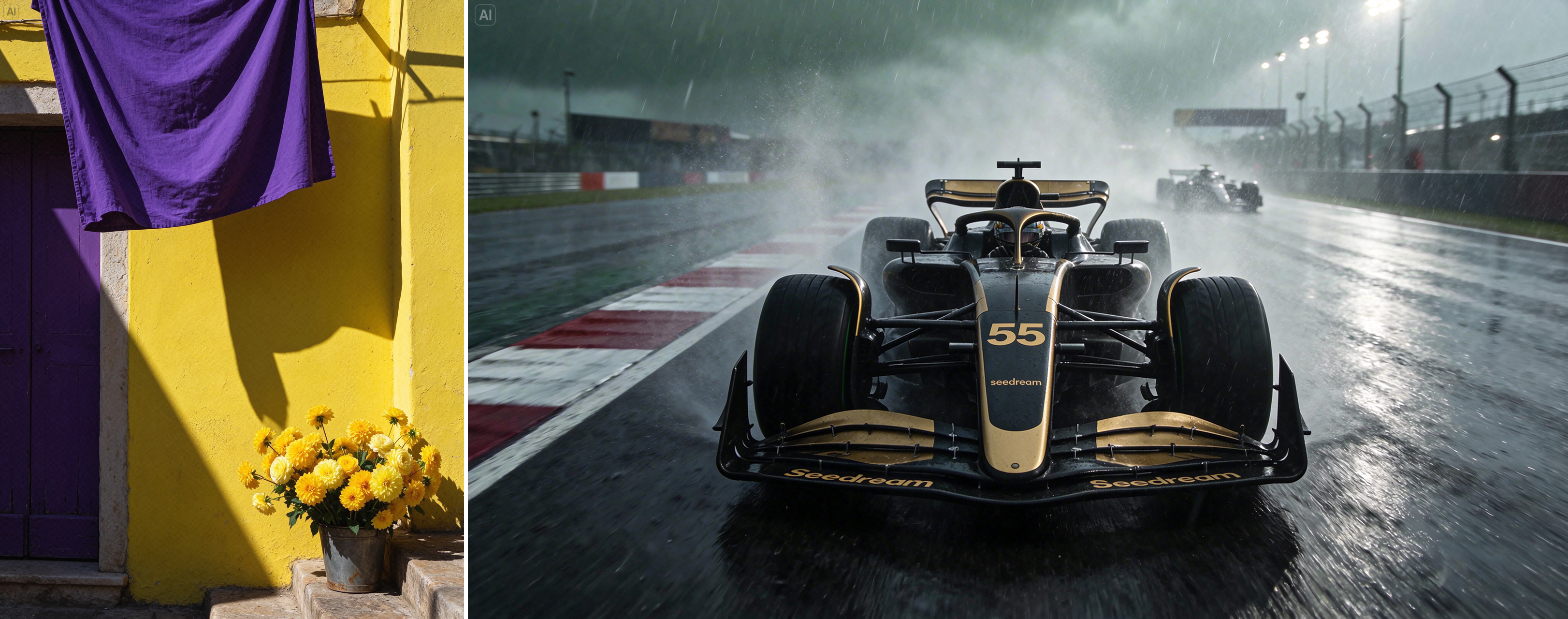
The model also renders a richer range of textures and more nuanced light and shadow in scenes. Sunlight brings out the folds of a purple curtain, which casts a shadow on a rough yellow wall. As a race car speeds along a rain-soaked track, its bodywork and the wet road reflect light differently. Spray from the tires spreads behind it, partly obscuring cars in the distance and giving the scene both movement and depth.
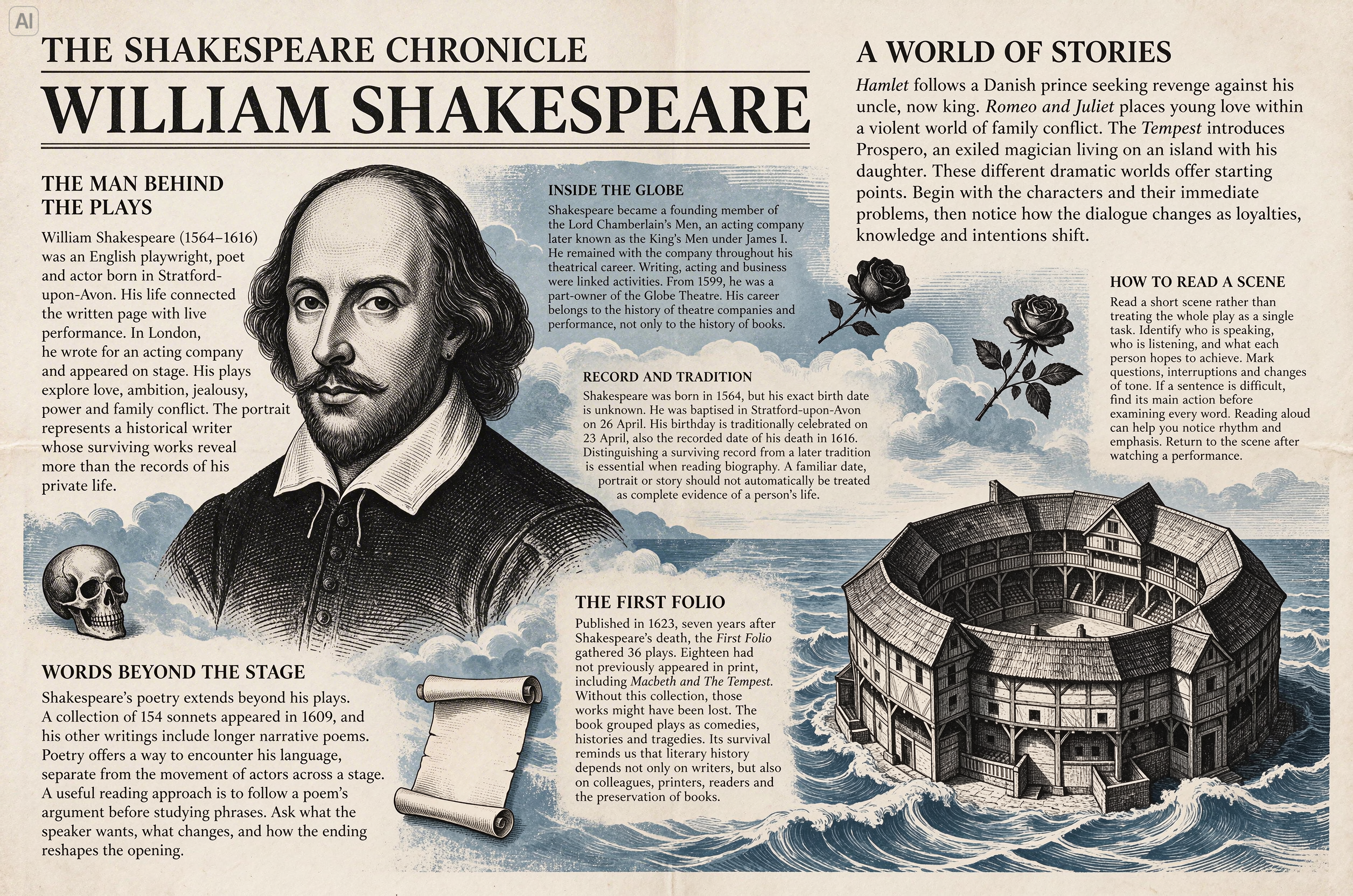
Seedream 5.5 improves the generation and layout of densely arranged small text, reproducing complex character shapes more accurately. On a newspaper-style page about Shakespeare, several passages of small English text sit between his portrait and an illustration of a theater. The text remains easy to read even in this compact layout.
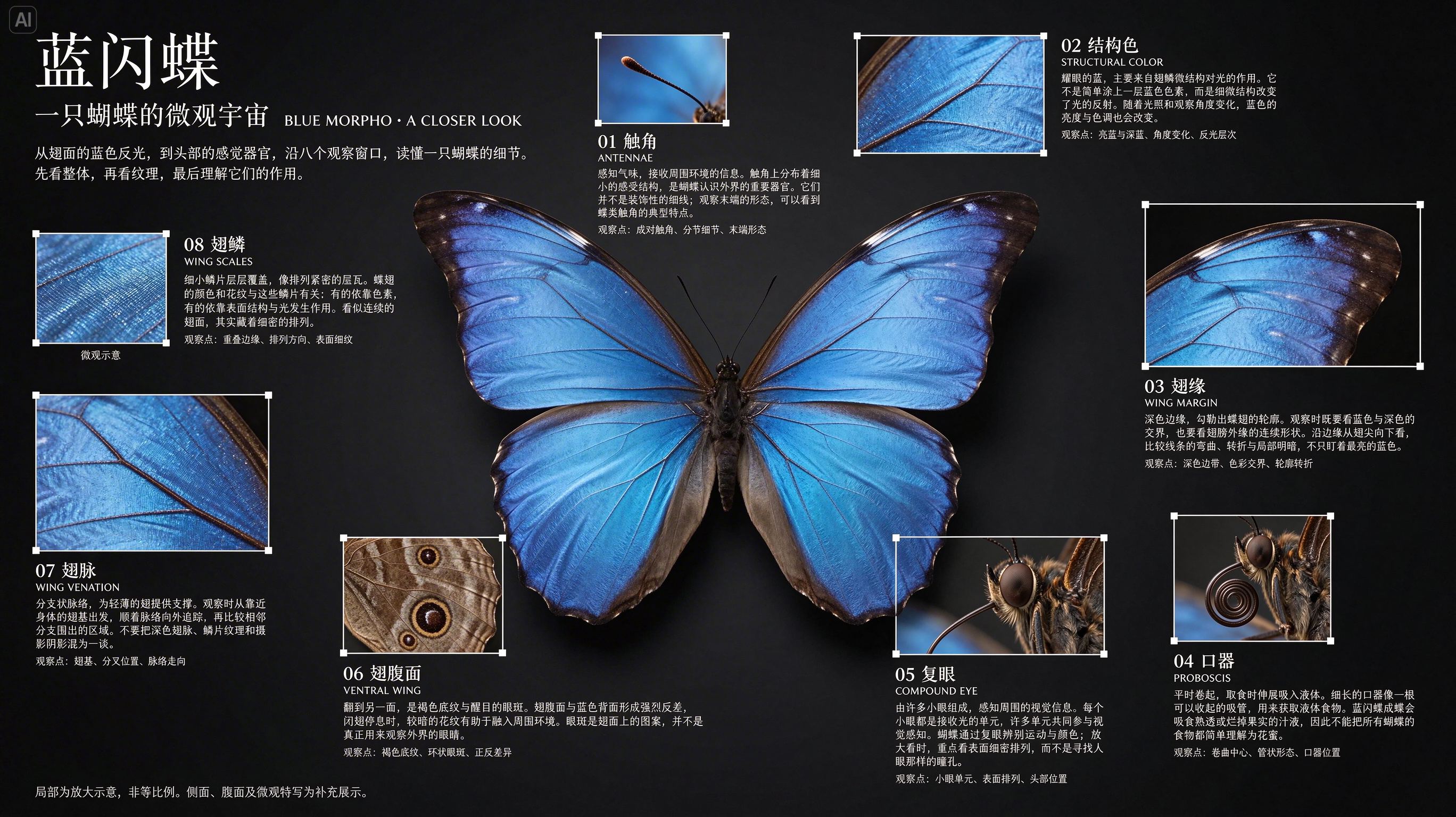
The blue morpho butterfly infographic shows how the model renders Chinese text at small sizes. Eight illustrated notes describe features such as the antennae, wing veins, and scales. Even in the small captions beside the close-ups, characters with many strokes are easy to read.
Seedream 5.5 evaluations: substantial gains in overall performance, leading results in text structure and text-to-image realism
To evaluate performance in professional production, we tested the model across six use cases: e-commerce, marketing, film and television, gaming, office productivity, and fashion design. Evaluations were conducted on the MagicArena platform, with experienced image-generation evaluators assessing output quality and usability.
Compared with Seedream 5.0 Pro, Seedream 5.5 improved both quality scores and usability rates across all six use cases. In film and television and in office productivity, usability rates were more than twice those of the previous version.
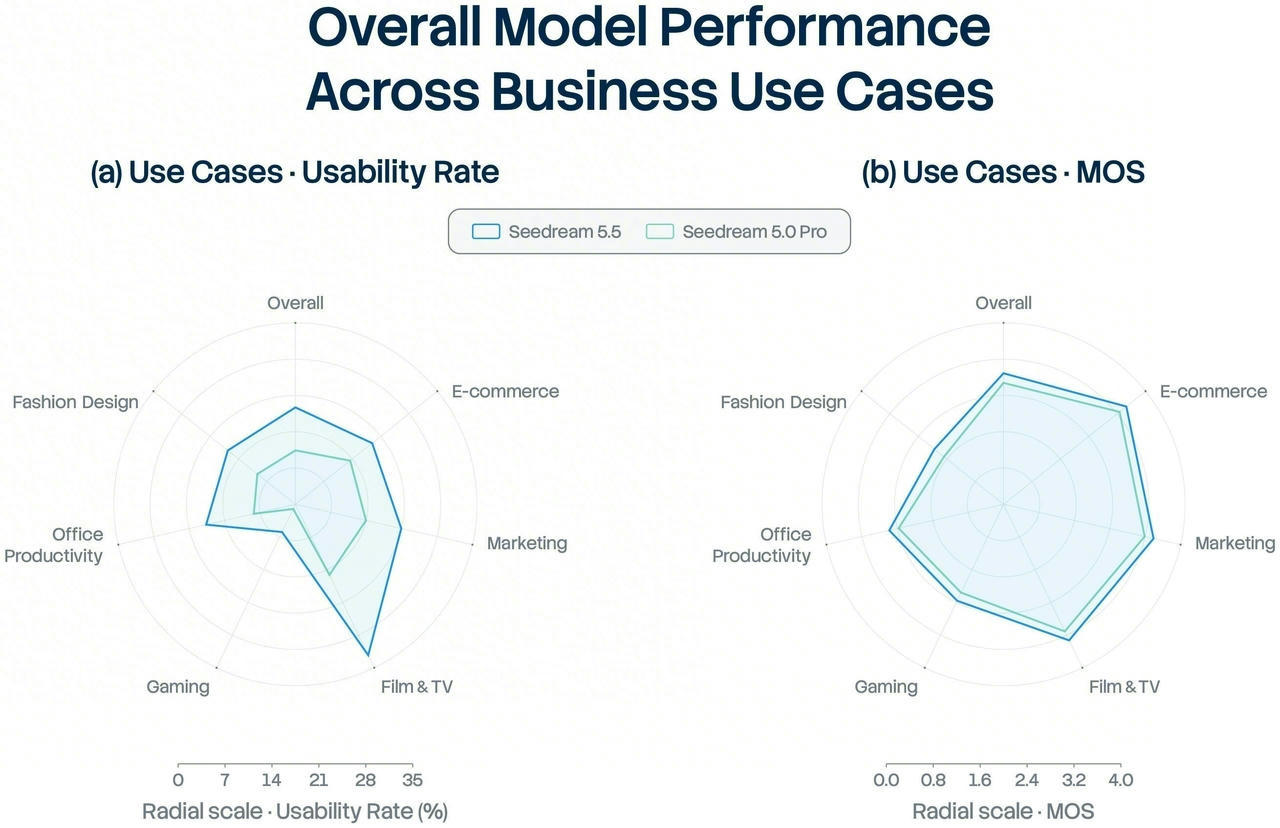
Seedream 5.5 performance across production use cases. Left: usability rate. Right: mean opinion score (MOS).
In separate evaluations of text structure and realism, experts compared pairs of generated images, scoring their preferences using GSB (Good/Same/Bad) across both text-to-image and image-to-image tasks. Seedream 5.5 received positive GSB scores against the previous version in all four comparisons, reaching +55.62% for realism in image-to-image tasks. Compared with leading models such as GPT Image 2.5 Sunburst and Nano Banana 2.1, Seedream 5.5 leads in text structure across both tasks and shows a substantial advantage in text-to-image realism.
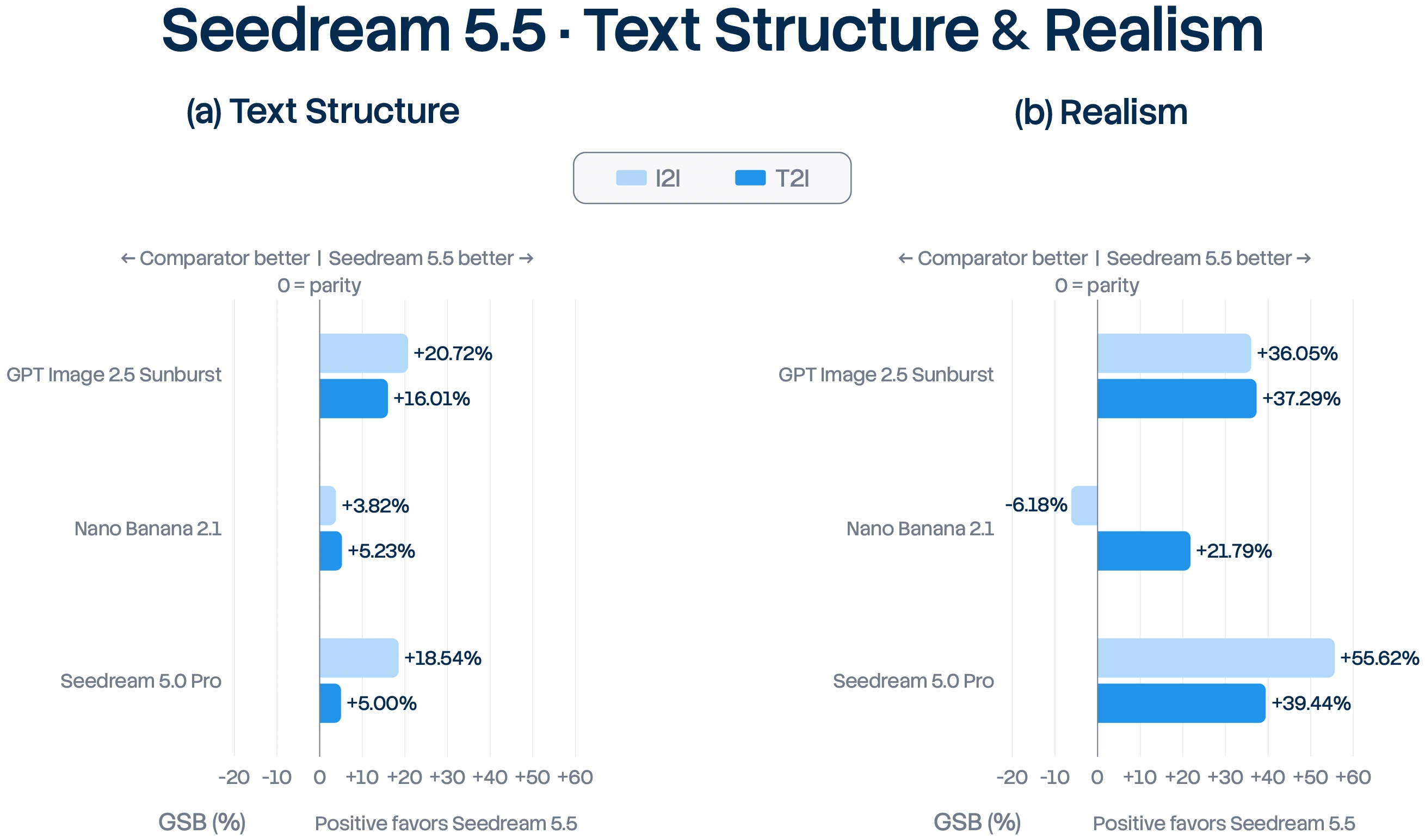
Text structure and realism evaluations. The chart shows Seedream 5.5's GSB scores in text-to-image and image-to-image tasks.
Improvements in text rendering are also reflected in lower text corruption rates. In evaluations covering Chinese and English, including densely arranged small text, Seedream 5.5's severe text corruption rate fell to 0.4%, while its minor text corruption rate fell to 1.7%. Both rates are substantially lower than in the previous version and are also among the best in comparisons with leading models.
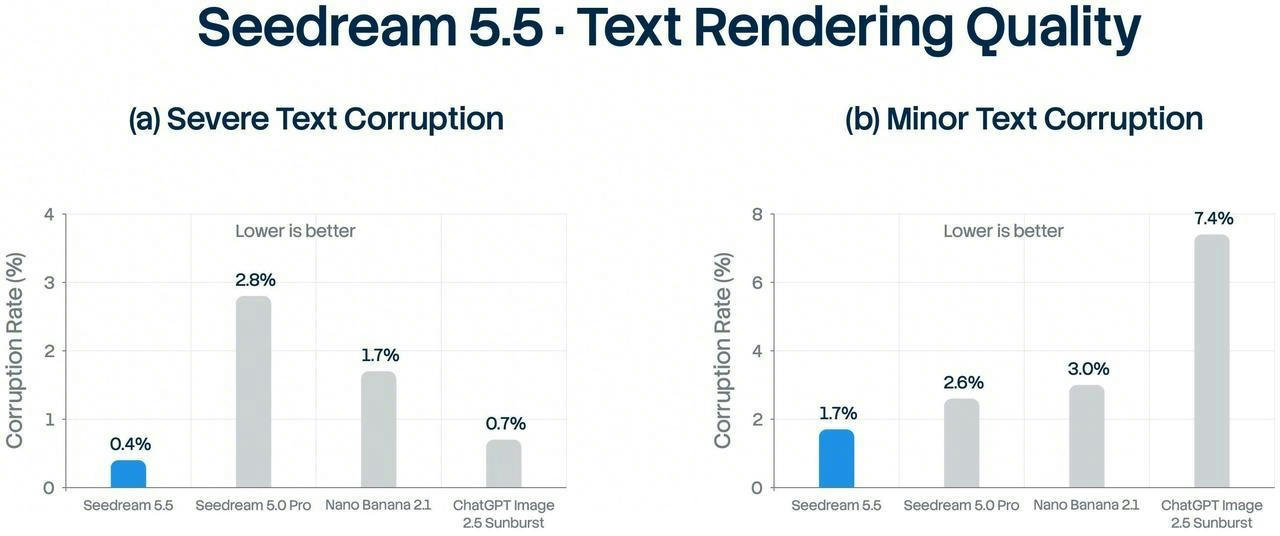
Text rendering quality. Left: severe text corruption rate. Right: minor text corruption rate. Lower values indicate fewer errors.
Summary and outlook
Seedream 5.5 improves image quality and makes multi-turn editing more stable, while native RGBA output expands how generated assets can be used. These capabilities help creative teams refine their work and reuse existing assets, better meeting professional production requirements for quality, reliability, and efficiency.
Looking ahead, we will support more complex contextual inputs and creative instructions, while continuing to improve the model's performance on professional tasks. Guided by real production needs in film and television, e-commerce, advertising, and design, we will also expand its use in agent workflows and continue exploring more general visual intelligence. A Pro version of the Seedream 5.5 series will follow. Stay tuned.